Rezfusion Hub
Rezfusion Hub is a web application that allows property managers to configure their vacation rental properties and create "channels" that can be used to display properties on a website or other distribution channels.
Channels
Rezfusion Hub allows property managers to configure their vacation rental properties and create "channels" that can be used to display properties on a website or other distribution channels. Channels are used to determine which properties are returned in a query. Every query must specify a channel. See the queries page for more information.
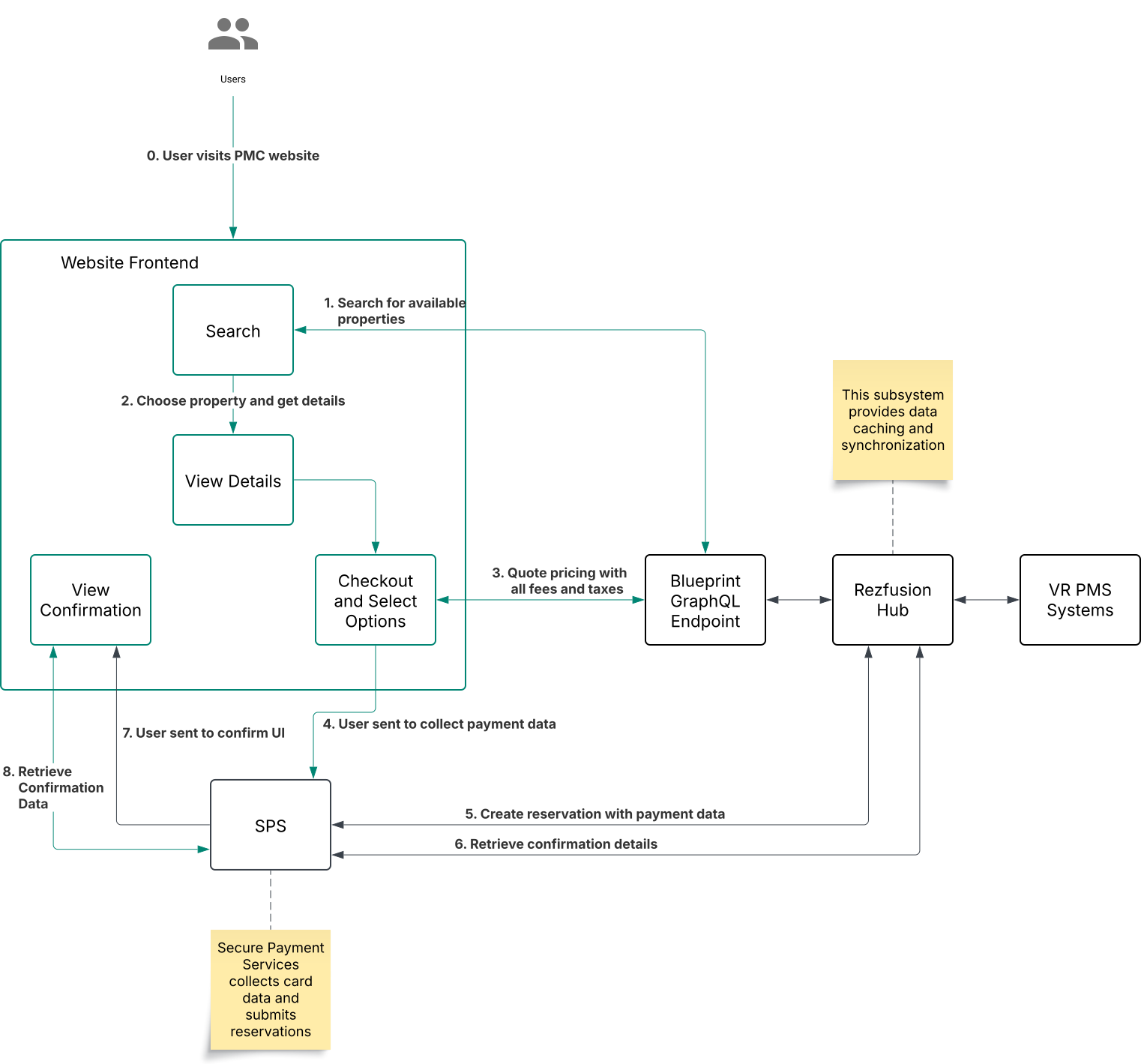
Reservations via SPS
SPS is a payment page API that is used to collect payment data from a guest for vacation rental reservations. An API implementor represents an application or website that needs to collect payment data from a guest for a vacation rental reservation. Settings for SPS are managed in Rezfusion Hub.
The API implementor will need to:
-
The API implementor will collect all the necessary data from the guest such as PII, optional fees, and special requests. This includes damage waivers, travel insurance, and other optional add-ons. It is recommended that the API implementor keep track of the state of the order by storing temporary records.
-
The API implementor will format an API request to the PMS without any payment data. This request will be configured as part of the call groups in the initiate request.
-
The PMS will return a session token to the API implementor via the
/v1/initiateendpoint. The API implementor should store the token with order data to be able to later reference and update order data during the confirmation step.POST /v1/initiate- Start a new SPS session
-
The API implementor will send the session token to SPS with the formatted reservation request and a callback URL in the implementors app. The initiate request must be properly signed using RSA private key authentication.
-
The API implementor will redirect the guest to the SPS payment page using the session token.
-
SPS will present a form where the user will select their payment method and enter their payment data. The form supports multiple payment types including credit cards and ACH.
-
The user will submit the payment data and SPS will confirm the booking using the configured API calls with data replacements to inject payment and guest information.
-
SPS will call out to the callback URL provided when initiating a request.
-
The API implementor's callback URL will process the reservation as needed and return an object with a
statuskey of1or0and aredirectkey with a full URL that the user will be sent to. -
The API implementor will be able to render confirmation data which they processed and stored during the callback process as they choose.